Sonography is a rewarding but physically demanding profession, and many in the field experience work-related musculoskeletal disorders (WRMSDs) due to the repetitive nature of scanning, awkward postures, and prolonged standing. While the job offers stability and fulfillment, the physical toll it takes on the body is a significant concern that can impact career longevity. Understanding these risks and implementing preventative measures is crucial for maintaining long-term health and sustainability in the profession.
Understanding WRMSDs in Sonography
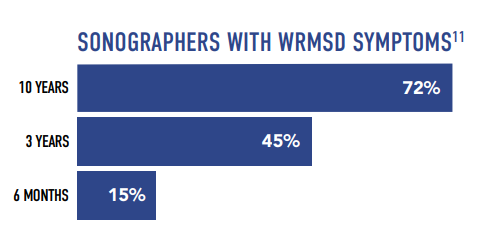
WRMSDs are injuries affecting the muscles, nerves, ligaments, and tendons, developing gradually over time due to repeated exposure to risk factors. In the realm of sonography, these disorders are alarmingly prevalent. Studies have shown that up to 90% of sonographers experience WRMSDs during their careers, with common areas of discomfort including the neck, shoulders, wrists, hands/fingers, and back.
Contributing Factors
Several work-related activities increase the risk of WRMSDs among sonographers:
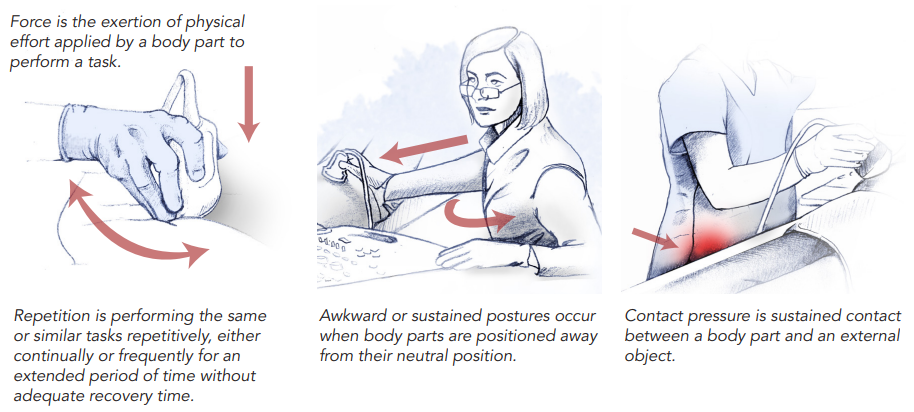
- Repetitive Motions: Performing the same scanning movements repeatedly can strain muscles and tendons.
- Sustained Postures: Holding static positions for extended periods during examinations can lead to muscle fatigue and discomfort.
- Forceful Movements: Applying pressure with the transducer to obtain clear images may contribute to muscle and joint stress.
- Equipment Design: Non-ergonomic equipment and workstation setups can exacerbate physical strain.
Impact on Sonographers
The consequences of WRMSDs are significant, affecting both personal well-being and professional performance. Symptoms often include pain, joint stiffness, muscle tightness, and, in severe cases, numbness and tingling. These disorders are among the most frequently reported causes of restricted or lost work time, potentially leading to reduced productivity and increased absenteeism.
Prevention and Management Strategies
Addressing WRMSDs requires a comprehensive approach involving sonographers, employers, and equipment manufacturers:
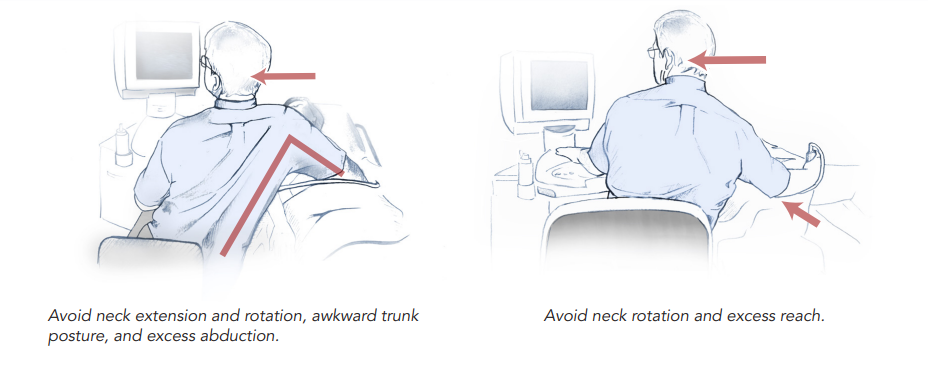
- Ergonomic Practices: Sonographers should be trained in proper body mechanics, including maintaining neutral postures and minimizing repetitive motions.
- Workstation Design: Employers should invest in adjustable equipment and workstations that promote ergonomically sound practices.
- Regular Breaks: Incorporating short, frequent breaks can help reduce muscle fatigue and the risk of injury.
- Exercise and Stretching: Engaging in regular physical activity, including stretching exercises, can enhance musculoskeletal health and resilience.
- Reporting and Early Intervention: Encouraging prompt reporting of discomfort allows for early intervention, potentially preventing the progression of symptoms.
Conclusion
While sonography is a fulfilling and essential healthcare profession, it's crucial to recognize and proactively address the risk of WRMSDs. By implementing ergonomic practices, investing in appropriate equipment, and fostering a culture of awareness and prevention, the well-being of sonographers can be safeguarded, ensuring their ability to provide high-quality patient care throughout their careers.
Reference:
Society of Diagnostic Medical Sonography (SDMS). Work-Related Musculoskeletal Disorders in Sonography White Paper. Retrieved from SDMS Website.
Society of Diagnostic Medical Sonography (SDMS). Physical Activity, Exercise, and Musculoskeletal Disorders in Sonographers. Retrieved from SDMS Website.